
Wind turbines at Flakfortet near Copenhagen. (Jens Dresling / AP) Michael Hutchins The rush is on to build scores of large, commercial wind energy facilities in and around the Great Lakes, in Canada and the United States. From the proposed Galloo Island and Lighthouse projects in New York to Camp Perry and Icebreaker in Ohio … Continue reading Wind turbines around the Great Lakes? A terrible idea for birds, bats – Chicago Tribune

Conventional Wind Energy – A Design Deadly for Birds
A 2013 study published in The Wildlife Society Bulletin found that wind turbines killed an estimated 573,000 birds annually in the United States. And that figure was 4 years ago. According to U.S. Wind Energy State Facts ( Oct. 2016), there are over 52,000 wind turbines installed across 40 U.S. States plus Puerto Rico & … Continue reading Conventional Wind Energy – A Design Deadly for Birds

New study pinpoints birds of prey as hardest hit by wind farms
31 Oct 2017 | BirdLife A new study has revealed which bird and bat species are most at risk of collision with wind turbines, with birds of prey and migratory birds coming top of the list. This research is the first to take a global view of the problem, and pinpoints some possible solutions to … Continue reading New study pinpoints birds of prey as hardest hit by wind farms

Wind turbine vibration effect on animals.
Wind Energy Impacts and Issues. Wind turbine placement must consider vibration effect on animals. Although the study of the impact of industrial wind farms on migration is necessary and commendable, it is my concern that not nearly enough attention is being paid to the seismic vibrations generated by these wind farms. I can also hear … Continue reading Wind turbine vibration effect on animals.

Proposed Project will cut right through Core Moose habitat
The Proposed Wind Energy Project will cut right through the High Density core moose habitat areas. The construction phase with blasting and massive equipment and road work, will cause avoidance, and increased stress, and possible interference with calving areas. In addition hundreds of additional trucks, cars and equipment a day will increase the risks of accidental … Continue reading Proposed Project will cut right through Core Moose habitat

Seismic vibrations cause Diplocardia earthworms to emerge from the soil
Grunting for worms: seismic vibrations cause Diplocardia earthworms to emerge from the soil O. Mitra,1 M.A. Callaham, Jr,2 M.L. Smith,1 and J.E. Yack1,* ABSTRACT Harvesting earthworms by a practice called ‘worm grunting’ is a widespread and profitable business in the southeastern USA. Although a variety of techniques are used, most involve rhythmically scraping a wooden … Continue reading Seismic vibrations cause Diplocardia earthworms to emerge from the soil
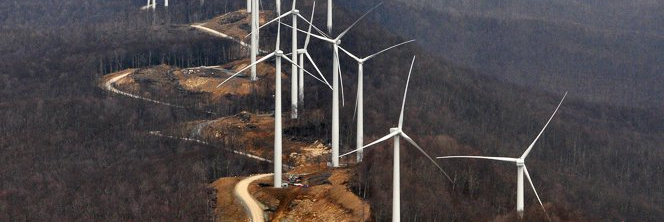
Wind turbines create dead zones.
Wind turbines create dead zones Wind turbines create dead zones as wildlife vanish from areas that are surrounded by wind turbines. Reports from U.S. Fish and Wildlife Service state that while wildlife might pass through these areas that they abandon their habitat choosing to live at least 10 miles away. This is confirmed on Wolfe … Continue reading Wind turbines create dead zones.
Bird Smart wind energy development
Since the diet of Bald Eagles is primarily fish, when wind turbine developers begin constructing wind farms on our coasts or near lakes or rivers, the mortality rate for Bald Eagles will skyrocket. We cannot let this happen. During construction of a wind turbine, roads often have to be widened or built from scratch; mountain … Continue reading Bird Smart wind energy development

LIGO study of the transmission of seismic vibrations from large wind turbines
Nature and Society, October-November 2011, pp. 7-9 LIGO - Laser Interferometric Gravitational Wave Observatory VIRGO - European Gravitational Observatory in Pisa (LIGO), University of Oregon, near the Stateline Wind Project, and the (VIRGO) in Pisa, near a small wind farm, have done detailed measurements of the generation and transmission of seismic vibrations from large wind … Continue reading LIGO study of the transmission of seismic vibrations from large wind turbines
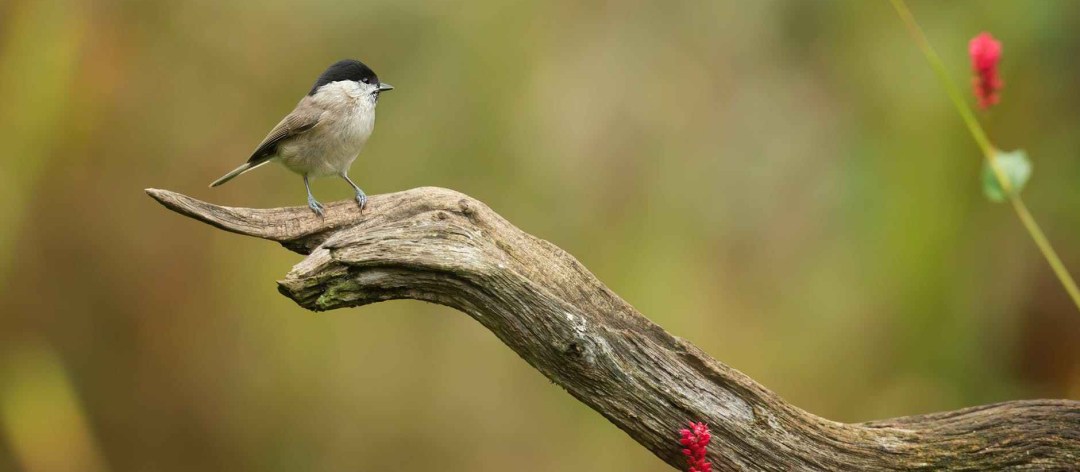
Wind Turbine stress on birds could increases chances of West Nile virus.
More stress for birds means higher chances of West Nile virus September 6, 2016| Dana Kobilinsky | THE WILDLIFE SOCIETY Researchers examined the extent to which mosquitoes with West Nile virus bit zebra finches with elevated levels of stress. Birds that have more of the stress hormone corticosterone are more likely to be bitten by mosquitoes … Continue reading Wind Turbine stress on birds could increases chances of West Nile virus.
 Save The Huron Mountains