
The Proposed Wind Energy Project will cut right through the High Density core moose habitat areas. The construction phase with blasting and massive equipment and road work, will cause avoidance, and increased stress, and possible interference with calving areas. In addition hundreds of additional trucks, cars and equipment a day will increase the risks of accidental … Continue reading Proposed Project will cut right through Core Moose habitat
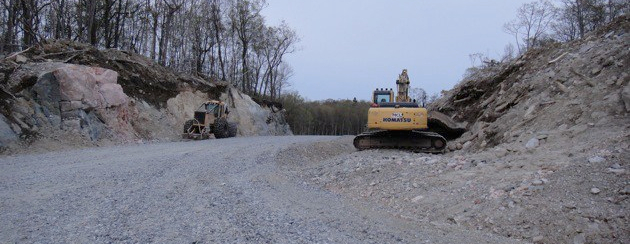
WILDLIFE POPULATION DECLINES -Due to Industrialization of ridgelines.
WILDLIFE POPULATION DECLINES Large scale habitat loss and disturbances as a consequence of industrial energy exploration and development, mining, timber extraction, and backcountry recreation have been demonstrated to contribute to wildlife population declines. Described by conservation scientists as “death by a thousand cuts”, individual impacts may be regarded as minor. However, these disturbances are now … Continue reading WILDLIFE POPULATION DECLINES -Due to Industrialization of ridgelines.

Seismic vibrations cause Diplocardia earthworms to emerge from the soil
Grunting for worms: seismic vibrations cause Diplocardia earthworms to emerge from the soil O. Mitra,1 M.A. Callaham, Jr,2 M.L. Smith,1 and J.E. Yack1,* ABSTRACT Harvesting earthworms by a practice called ‘worm grunting’ is a widespread and profitable business in the southeastern USA. Although a variety of techniques are used, most involve rhythmically scraping a wooden … Continue reading Seismic vibrations cause Diplocardia earthworms to emerge from the soil
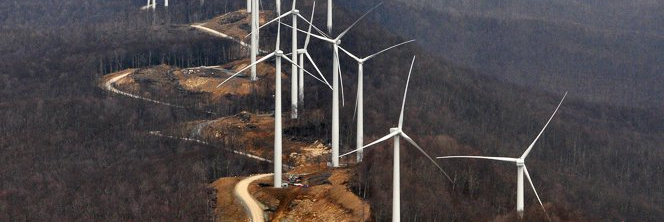
Wind turbines create dead zones.
Wind turbines create dead zones Wind turbines create dead zones as wildlife vanish from areas that are surrounded by wind turbines. Reports from U.S. Fish and Wildlife Service state that while wildlife might pass through these areas that they abandon their habitat choosing to live at least 10 miles away. This is confirmed on Wolfe … Continue reading Wind turbines create dead zones.
The Best Places to Put Wind Turbines to Produce Electricity
The Best Places to Put Wind Turbines to Produce Electricity April 23, 2018 | Laurie Brenner | Sciencing Wind farms don’t work in crowded residential areas where the noise pollution bothers humans. They also don't work where birds frequent because the turbines can kill these flying animals when they unknowingly fly into them. Wind … Continue reading The Best Places to Put Wind Turbines to Produce Electricity

Bird Smart wind energy development
Since the diet of Bald Eagles is primarily fish, when wind turbine developers begin constructing wind farms on our coasts or near lakes or rivers, the mortality rate for Bald Eagles will skyrocket. We cannot let this happen. During construction of a wind turbine, roads often have to be widened or built from scratch; mountain … Continue reading Bird Smart wind energy development

Wind turbines are neither clean nor green and they provide zero global energy
Matt Ridley | NOT A LOT OF PEOPLE KNOW THAT As machines, wind turbines are pretty good already; the problem is the wind resource itself, and we cannot change that. It’s a fluctuating stream of low–density energy. Mankind stopped using it for mission-critical transport and mechanical power long ago, for sound reasons. It’s just not … Continue reading Wind turbines are neither clean nor green and they provide zero global energy

LIGO study of the transmission of seismic vibrations from large wind turbines
Nature and Society, October-November 2011, pp. 7-9 LIGO - Laser Interferometric Gravitational Wave Observatory VIRGO - European Gravitational Observatory in Pisa (LIGO), University of Oregon, near the Stateline Wind Project, and the (VIRGO) in Pisa, near a small wind farm, have done detailed measurements of the generation and transmission of seismic vibrations from large wind … Continue reading LIGO study of the transmission of seismic vibrations from large wind turbines
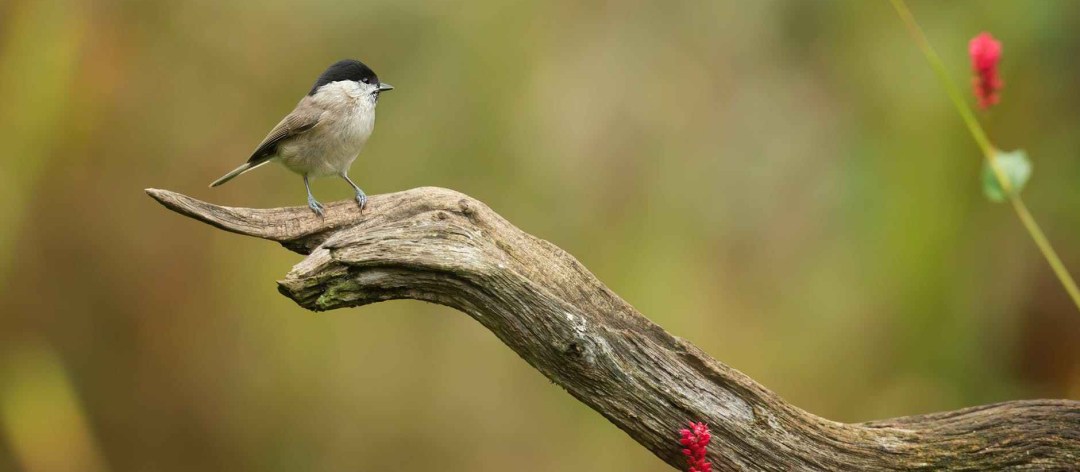
Wind Turbine stress on birds could increases chances of West Nile virus.
More stress for birds means higher chances of West Nile virus September 6, 2016| Dana Kobilinsky | THE WILDLIFE SOCIETY Researchers examined the extent to which mosquitoes with West Nile virus bit zebra finches with elevated levels of stress. Birds that have more of the stress hormone corticosterone are more likely to be bitten by mosquitoes … Continue reading Wind Turbine stress on birds could increases chances of West Nile virus.
Habitat Changes, In Turn,Influence The Health Of Wildlife Populations
This project not ONLY will be to alter the environment where they construct the turbines, there is no adequate road to the site and no existing electricity infrastructure. The U.S. Geological Survey (USGS) Forest and Rangeland Ecosystem Science Center document: "Most of these facilities tie into existing electricity transmission infrastructure and require service roads and … Continue reading Habitat Changes, In Turn,Influence The Health Of Wildlife Populations
 Save The Huron Mountains